

Ep. 5: Same Shit, Different Day

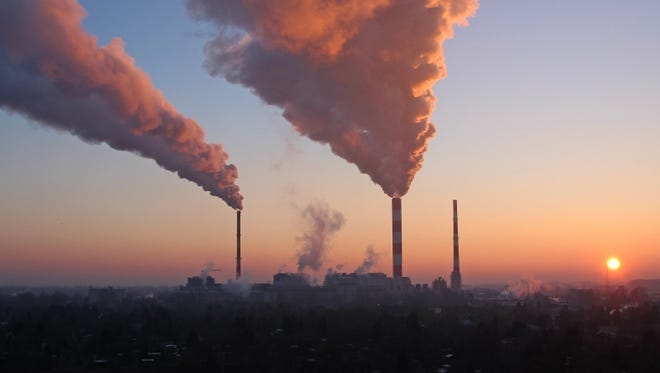
In the previous episode, I made the case for carbon dioxide as a new form of societal shit. There are many parallels between how our modern societies are dealing with that shit vs. how societies have historically dealt with the overflow of human excrement in cities. If we continue to follow these parallels from the past, then we can predict how our human societies are likely to react as we begin to feel the effects of carbon dioxide shit piling up all around us.
In this post, we’ll start by examining some clear parallels that I see between our handling of the new carbon dioxide shit vs. old human excrement shit. And next week, I’ll lay out some predictions for the future.
Parallel: Hidden causes of public health risk
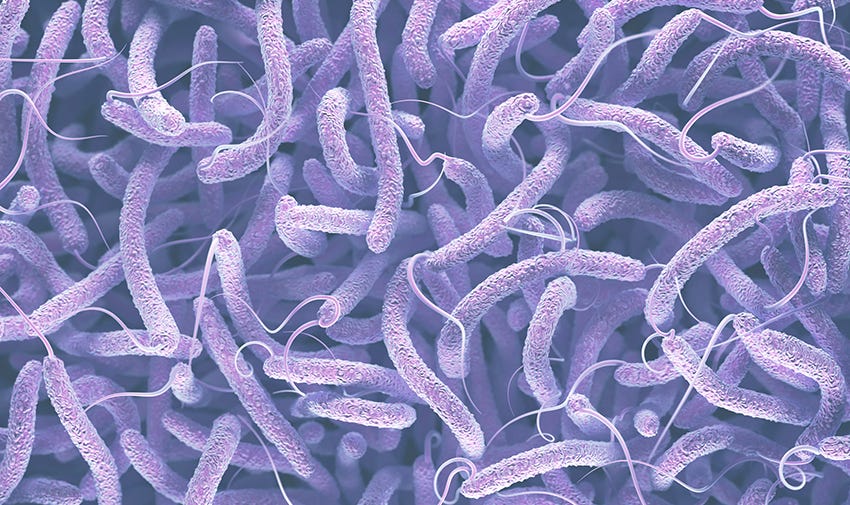
Cholera, the disease that caused so many deaths in London and other cities around the world in the 1800’s, is caused by the Vibrio cholerae bacteria. It propagates through the shit of an infected person and survives particularly well in water. But the water-borne bacterium is invisible to the naked eye and easily spreads even via clear water that may appear clean. In an analogous way, heat waves and extreme weather events are also caused by an invisible force: the increasing concentration of carbon dioxide in our atmosphere. However, CO2 is undetectable by human eyes and noses, so the root cause is effectively hidden from us.
Parallel: Under-utilization of scientific knowledge
Science can help us extend our human senses and enable all of us to understand the root causes for our experiences in the world. But the impact of science tends to be moderated by social, economic, and political factors. This has happened in both the cases of Cholera and massive heat waves.
In the case of Cholera, the causal link between Cholera and poor water sanitation practices was discovered, scientifically proven, and published almost a full decade before the UK government began to take action and nearly two decades before actual completion of the first modern sewer system that separated sewage from drinking water. In 1849, Dr. John Snow published his theory that Cholera was spread by “germs” in drinking water. Snow’s “germ theory of disease” was contentious because it went against the leading explanation for disease at the time “miasma theory” which claimed that illnesses were spread by “bad air.” Dr. Snow’s theories were not widely accepted at first and even he, himself, did not fully articulate the exact way bacteria spread from one person to another via shit in the water. His key insight was simple: dirty water spreads disease. Even such a simple, logical idea still required another 20 years, tens of thousands of Cholera deaths, and momentous political fights before the city of London implemented modern sewer and sanitation systems that separated sewage from drinking water supply.
Fast forward to modern day… Hundreds of climate science publications have established the link between carbon dioxide and climate change. But there is still significant scientific debate over how quickly the climate will change, the extent of global temperature projections, the effectiveness of various types of carbon sequestration techniques, etc. There is a general lack of agreement about specific climate interventions. For example, billionaire commercial titans like Marc Benioff and Bill Gates have made conflicting announcements about the importance of “planting 1 trillion trees” (Benioff) vs. tree-planting as “complete nonsense” (Gates). Similar to Dr. Snow’s findings two centuries ago, today’s climate science is interpreted in different ways, doubted, debated and politicized rather than being fully utilized.
Parallel: Public attention on the most visible/detectable symptoms
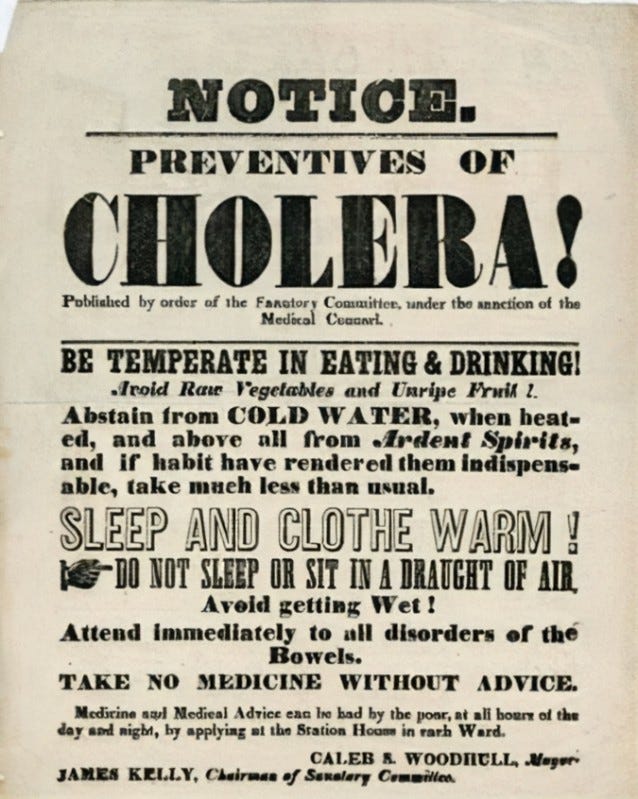
Tens of thousands of people died suddenly and painfully from Cholera in the 1830’s, 40’s and 50’s. Cumulatively, those fatalities added up to over 1% of the London population during those decades. The deaths were easily visible and widely reported in newspapers of the day, sparking mass panic and hysteria. In the absence of clear science-based consensus, so-called experts and journalists of the day gave seemingly nonsensical, sometimes conflicting, advice to the public: avoid drinking cold water, avoid alcohol, don’t eat fruit, and dress warmly. Some victims’ skin turned a bluish-gray color, so the cause of death was commonly called the “Blue Terror,” a moniker which may have accurately described surface-level symptoms like skin color, but didn’t really give any clues or guidance on how to avoid the root cause of the disease.
In our current times, millions of people are suffering the effects of climate change and we often hear physically descriptive phrases such as “heat wave,” “heat dome,” and “global warming” in daily conversations. Once again, we see that in the absence of clear science-based consensus, guidance from experts and journalists tend to focus on “staying cool” or “finding shelter” rather than discussion of the carbon dioxide shit pile that is the root cause of the heat. Temperature may be the most visible and easy to detect indicator of an underlying carbon dioxide problem, so these will be the surface-level topics that tend to dominate public discourse.
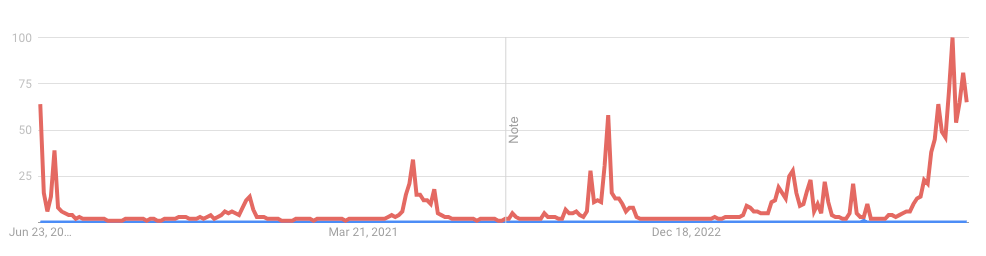
As one illustration of this phenomenon in modern times: look at the difference in Google Search popularity for terms like “heat wave” (red spikes) vs. “carbon sequestration” (blue flat line) over the last 5 years…
Parallel: Seesaw action vs. reaction to shit
Nowadays, in cities with modern sewage systems, it may feel like a basic assumption that your toilet does not drain into the same waterway that your tap water comes from. However, remember that political and commercial entities back in the mid-1800’s resisted the implementation of modern sewage and sanitation systems that separated shit from drinking water. Folks who have grown up with modern sewage systems may think these things are obvious, but they were far from being settled matters in 1860. At the time, politicians said it was too expensive to implement clean water infrastructure. Commercial entities were worried about big construction projects hurting their river industries. And many members of the general public doubted the fundamental science about polluted river water causing Cholera.
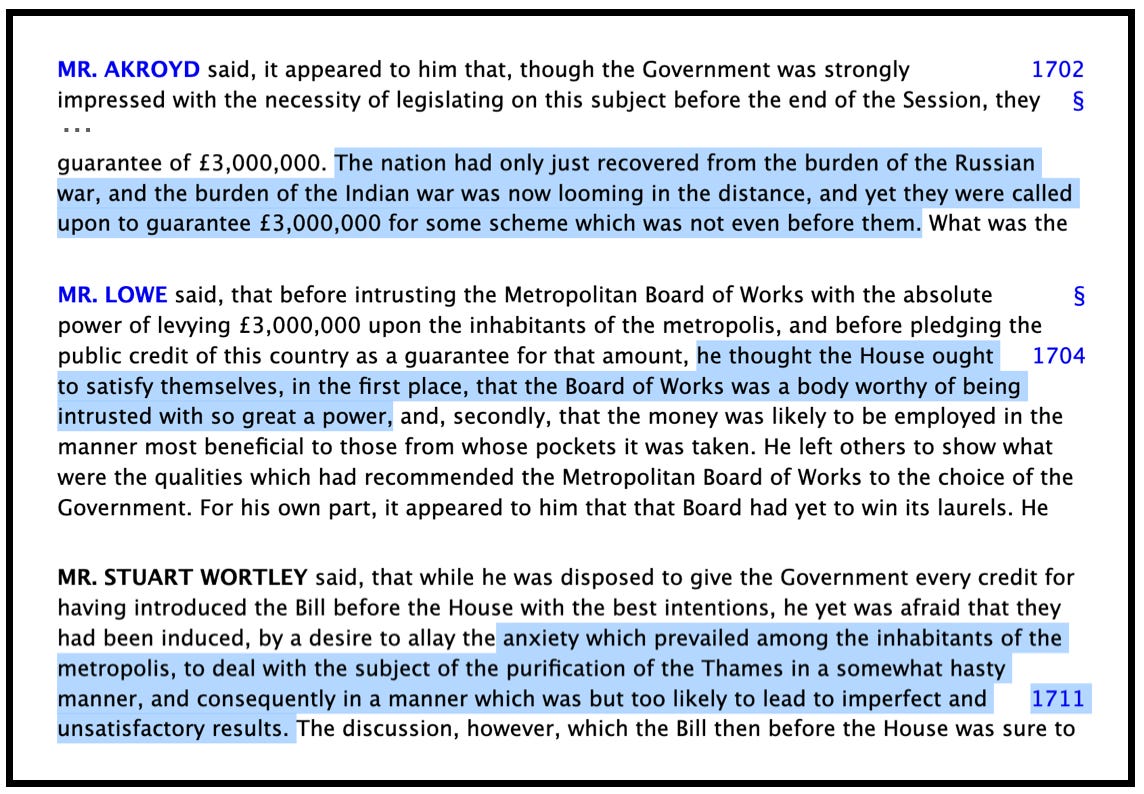
Fast forward to this decade: the world’s governments and corporations now invest over $1.3 trillion each year into climate and sustainability. A trillion may sound like a lot of money, but let’s hold that figure in context: in 2022, that was about 1% of global GDP, so it’s actually a comparatively minor budget item for the world. Big-ticket shit cleanup efforts are once again the subject of a fierce, on-going societal, political and economic debate; this time over the cost of dealing with carbon dioxide shit.
As the dollar amounts get larger, we are seeing more and more active resistance to carbon dioxide shit cleanup. US Presidential candidate Trump is on record saying that he wants to increase revenue by increasing US oil production (i.e., dumping more carbon dioxide shit) as well as cut costs by exiting the United States from the Paris Accords and shutting down investments in renewable energy production (i.e., ignoring the shit that’s previously been released).
Political actors can willfully resist shit cleanup, but they are not alone. Independent market actors in the global economy may naturally dampen or resist movements, too, out of self-interest or protection of their industries. It’s no coincidence that just as some countries begin to convert to renewable energy, the International Energy Agency (IEA) announces that there will be a glut of cheap oil which could counteract that movement. That makes natural sense if you think about it. As demand for renewable energy increases, supply of solar/wind/hydro power will get consumed, and prices for renewable power will go up. At the same time, all the activity with renewable energy pulls demand away from oil, leaving lots of excess supply, thus oil prices will drop, making it a more attractive marginal substitute for renewable energy. Supply, demand, competition and substitution will all tend to naturally resist or dampen any big market movements.
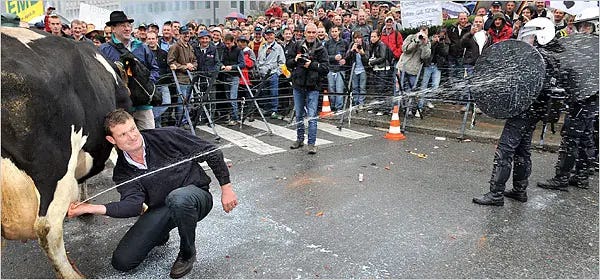
Whether or not Trump or the IEA are “correct” or “good” is not at issue here. Rather, the key observation I want to highlight is: societies and economies are complex and made up of many stakeholders. Resistance to cleaning shit up is natural and expected. As a whole, humanity does not tend to go “all in”, all-at-once on any kind of shit cleanup. We didn’t in the 1800’s and we aren’t now. Our human societies have a repeated history of starting to make motions to clean up some shit and then going back and forth as stakeholders debate and compete.
There are many other repetitions on this theme of regional and industrial economics trumping global carbon dioxide shit (pardon the pun). When the EU passed trade regulations to prevent import of products that result in deforestation, they were met with opposition from commodities industries (like palm oil, soy, etc.) who were concerned about the cost of implementation; as well as regional concerns from countries in the Global South (like Brazil, Indonesia, and multiple nations in Africa and Latin America) who were worried about damage to their economies. The recent EU Natural Restoration Law of 2024 was hotly debated for and blocked repeatedly by EU member countries for 2 years before narrowly passing into law this year (and may now face additional challenges in implementation). Across the centuries, people seem to regularly voice fears and doubts about cost and efficacy when it comes to cleaning shit up.
If we keep looking, I’m sure we could find many more parallels between how we are currently dealing with carbon dioxide shit in our atmosphere and our past history of cleaning up shit in our water. Hopefully the examples above suffice to give you a sense for how, in the present-day, our societies are repeating an age-old pattern of humans dealing with shit.
In the next installment of The New New Shit, I’ll project these parallels forward to make predictions about our future of cleaning up carbon dioxide shit. 💩🤓